Federal Cannabis Act: Tracing Five Years of Regulatory Evolution and Impact

Five years have passed since the Cannabis Act (2018) came into force, marking a pivotal moment in Canadian public policy and global drug reform. This federal legislation fundamentally reshaped the country’s approach to cannabis, transitioning from prohibition to a regulated framework aimed at public health, safety, and the disruption of illicit markets. The journey since October 17, 2018, has been one of continuous adaptation and learning, revealing both the complexities and the potential of a regulated cannabis industry. Examining this half-decade provides crucial insights into the evolution of regulatory practice and its tangible impact on Canadian society.
Establishing a New Regulatory Framework
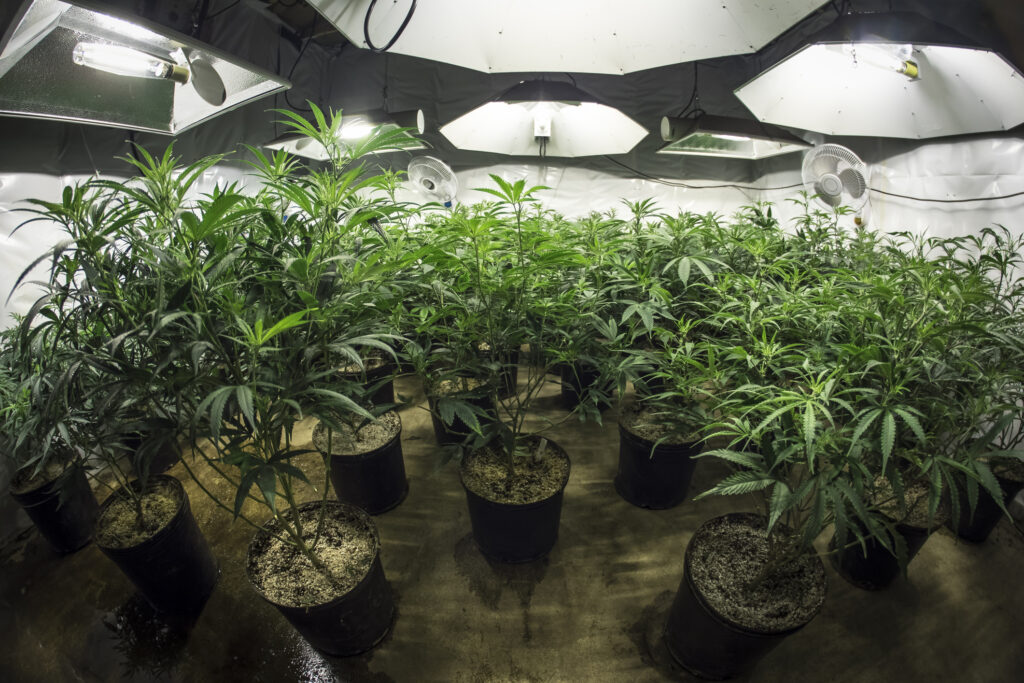
The initial phase of federal legalization focused intensely on establishing the foundational regulatory architecture. Health Canada, as the primary federal regulator, was tasked with the monumental undertaking of developing comprehensive rules governing every facet of the cannabis supply chain: cultivation, processing, packaging, labelling, and sale. This was not merely an administrative exercise; it was a deliberate and intricate process designed to balance access with stringent controls. The regulations stipulated precise requirements for licensed producers, from the security measures for cultivation facilities to the meticulous tracking of every plant from seed to sale. High fences, surveillance cameras, and restricted access zones became standard features of legal grow operations.
This “seed-to-sale” tracking system, often implemented through sophisticated software, was a cornerstone for preventing product diversion to the illicit market and ensuring accountability. Every gram of cannabis could be traced from its origin through processing, packaging, and final sale to consumers. The system created an unprecedented level of transparency in what had previously been an entirely underground economy.
The focus was squarely on public health objectives. This manifested in stringent requirements for product testing, a non-negotiable step for all legal cannabis products. Labs accredited by Health Canada meticulously test for contaminants such as pesticides, heavy metals, and microbial impurities, alongside verifying cannabinoid content. This commitment to quality control aimed to protect consumers from the unknown and often harmful substances found in unregulated products. Furthermore, the legislation introduced strict packaging and labelling rules, mandating plain packaging, prominent health warnings featuring stark imagery and messages about risks like addiction and impaired driving, and clear information on cannabinoid percentages. These measures were designed to deter youth appeal, prevent accidental consumption, and empower adult consumers with informed choices.
The regulations stipulated precise requirements for licensed producers, from security measures for cultivation facilities to the meticulous tracking of every plant from seed to sale.
Beyond federal oversight, provinces and territories were granted significant autonomy to establish their own retail and distribution models. This led to a fascinating patchwork of approaches across the country. Ontario initially opted for a government-run online store and later transitioned to a privately licensed retail model, resulting in a rapid expansion of brick-and-mortar stores. Quebec maintained a stricter government-run retail monopoly through the Société québécoise du cannabis (SQDC), emphasizing public health and responsible consumption. Alberta embraced a more open private retail model from the outset, leading to a vibrant and competitive retail landscape. These diverse provincial frameworks created unique challenges and opportunities, influencing market accessibility, pricing, and the speed of market penetration.
Market Dynamics and Economic Impact
The economic aspirations behind legalization were substantial, envisioning a thriving new industry that would create jobs, generate tax revenue, and displace illicit operators. In its first five years, the Canadian cannabis industry has demonstrated remarkable growth, though not without its share of growing pains. Thousands of jobs have been created across the cultivation, processing, retail, and ancillary services sectors, from master growers in state-of-the-art facilities to budtenders advising customers in sleek dispensaries. The initial “green rush” saw a surge in investment and the emergence of large, publicly traded cannabis companies, though consolidation has become a more recent trend.
Government coffers have also benefited significantly. Both federal and provincial governments collect excise duties, sales taxes, and licensing fees. These revenues are earmarked for various public services, including public health initiatives, addiction treatment, and law enforcement efforts against the remaining illicit market. While precise figures fluctuate, revenue generation has consistently increased year over year, demonstrating the economic viability of the legal framework. By 2022, federal and provincial governments were collectively generating hundreds of millions of dollars annually from cannabis sales.
However, the journey has been far from smooth. The industry has grappled with significant challenges, notably intense competition, leading to price compression and margin erosion for many producers. The initial oversupply of cannabis, coupled with a slower-than-anticipated consumer transition from the illicit market, created a highly competitive environment. Many smaller licensed producers struggled to compete with larger players, and some have faced bankruptcy or consolidation. The regulatory burden, while essential for public health, has also been cited by industry stakeholders as a significant cost, particularly for smaller businesses. Compliance costs, including extensive testing, security, and reporting requirements, can be substantial, impacting profitability and innovation.
The black market has proven remarkably resilient. Despite the accessibility and perceived safety of legal products, factors such as lower prices, greater product variety, and a lack of taxation have allowed the illicit market to persist. High-potency concentrates or edibles that exceed legal limits remain available through illegal channels. Authorities continue to battle illegal cultivation operations and online vendors, indicating that the complete displacement of the black market remains an ongoing, complex challenge, requiring continued enforcement alongside further refinement of the legal framework to make it more competitive.
Public Health and Safety Outcomes
One of the primary drivers behind the Cannabis Act was a public health approach, aiming to minimize harms associated with cannabis use. Five years in, preliminary data offers crucial insights, though comprehensive long-term studies are still emerging. The legal framework has undoubtedly provided consumers with access to tested, regulated products, reducing exposure to contaminants like pesticides, heavy metals, and unknown additives often found in illicit cannabis. Public education campaigns, mandated as part of the legalization effort, have raised awareness about responsible use, risks of impaired driving, and the potential impact on youth. These campaigns, featuring clear, evidence-based messaging, represent a significant shift from previous prohibition-era approaches.
However, concerns persist, particularly regarding youth access and impaired driving. While regulations strictly prohibit sales to minors and robust age-verification systems are in place, monitoring rates of youth consumption remains a critical area of focus. Early data has shown mixed results, with some surveys indicating stable or even slightly declining rates of youth use in some areas, while others suggest slight increases elsewhere. Researchers are working to disentangle the effects of legalization from other societal trends.
The legal framework has provided consumers with access to tested, regulated products, reducing exposure to contaminants often found in illicit cannabis.
Impaired driving due to cannabis has been a significant concern. Law enforcement agencies have received enhanced training and tools, such as roadside drug screening devices, to detect cannabis impairment. Public awareness campaigns have consistently highlighted the dangers of driving under the influence of cannabis. While statistics on cannabis-impaired driving are still being refined and can be challenging to isolate from alcohol impairment, authorities remain vigilant, and ongoing research is essential to understand the long-term impact on road safety. The balance between allowing adult access and mitigating public health and safety risks requires constant adjustment.
Evolution and Adaptation
The past five years have been a period of continuous learning and regulatory evolution. Health Canada has demonstrated a willingness to adapt the framework based on emerging data, industry feedback, and public health considerations. One notable example is the introduction of new product categories. Initially, the legal market was limited to dried flower, oils, and seeds. However, recognizing consumer demand and the need to compete with the illicit market, “Cannabis 2.0” regulations were introduced, allowing for the sale of edibles, vapes, and concentrates in late 2019. This expansion significantly broadened the legal product offerings, providing consumers with more choices and further eroding the black market’s advantage in these categories.
Furthermore, there have been ongoing adjustments to packaging and labelling rules, often in response to industry calls for more flexibility or to address specific public health concerns. Discussions around the size of health warnings or the inclusion of more nuanced product information continue. The regulatory framework for research has also seen some streamlining, making it easier for scientists to conduct studies on cannabis, which is crucial for building a robust evidence base for future policy decisions. This adaptive approach underscores the understanding that legalization is not a static event but an ongoing process requiring flexibility and responsiveness.

Looking ahead, several key areas will likely dominate the policy discourse. The issue of micro-cultivators and processors remains a focus. While the regulations allow for smaller-scale operations, many have found it challenging to thrive within the existing framework, raising questions about fostering a more diverse and equitable industry. The potential for cannabis lounges or consumption sites, beyond private residences, is another area of active discussion in various provinces, aiming to provide safer and regulated spaces for consumption.
Social Justice and Future Directions
The broader social justice implications of cannabis prohibition continue to be addressed, including expungement of past cannabis-related convictions, reflecting a commitment to rectifying historical injustices. Several provinces have implemented programs to clear criminal records for simple possession charges, though the process has been slower and more complex than many advocates hoped.
International implications also loom large. Canada’s bold experiment has been watched closely by other nations considering similar reforms. Uruguay preceded Canada in full legalization, but Canada’s approach has been more comprehensive and systematic, providing a detailed blueprint for other countries. Several U.S. states have implemented their own versions of cannabis legalization, while countries like Germany and Luxembourg are actively developing their own frameworks, often drawing lessons from Canada’s experience.
Canada’s journey with legal cannabis represents a living experiment, offering invaluable lessons for other jurisdictions contemplating similar reforms. The experience demonstrates that a well-regulated framework, while complex and requiring constant refinement, can contribute to public health, safety, and economic development. The next five years will likely bring further evolution as the system matures, data accumulates, and lessons learned inform continued policy development.