Navigating Retail Licensing: Challenges and Successes for Independent Dispensaries in Alberta
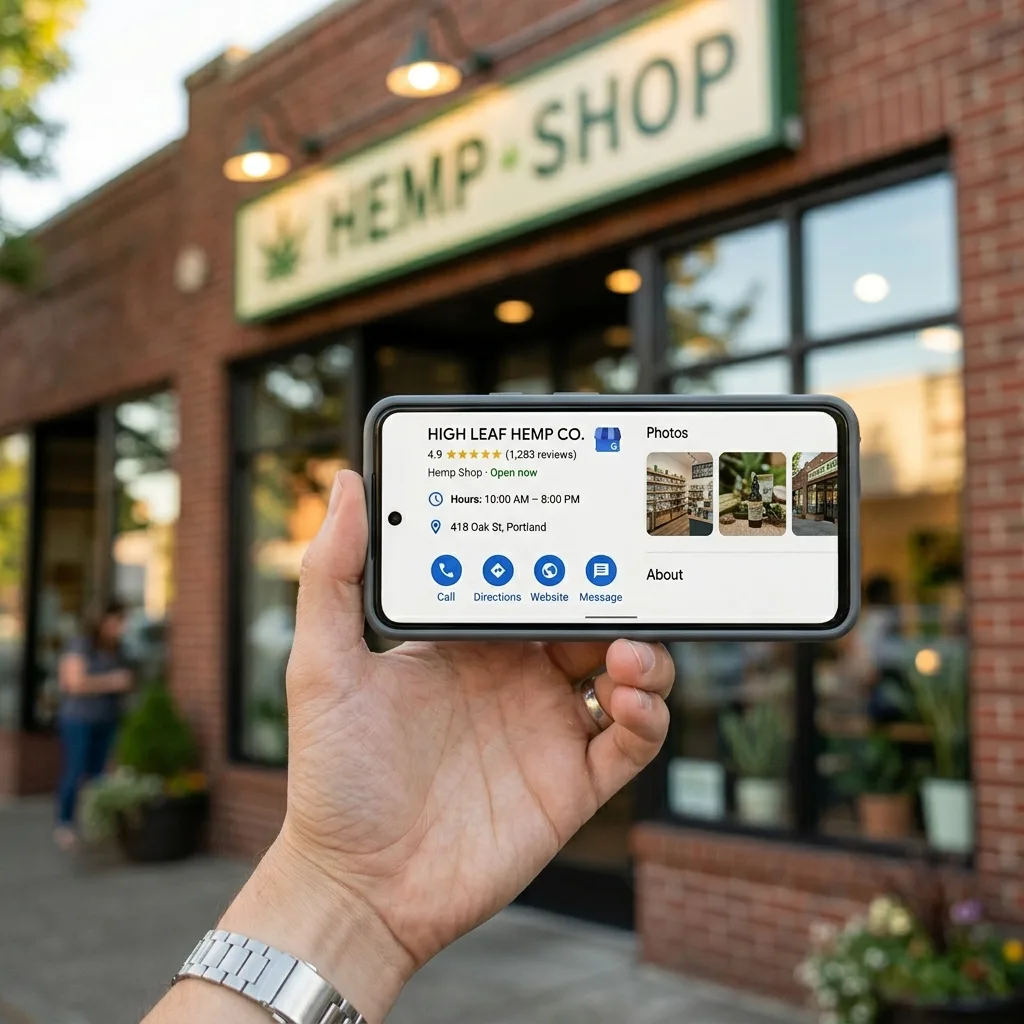
The legalization of recreational cannabis in Canada in 2018 marked a pivotal moment, sparking an unprecedented entrepreneurial wave, particularly for independent dispensaries. In Alberta, a province that embraced a private retail model, these businesses have navigated an intricate and often tumultuous regulatory landscape. Their journey since the initial rollout reveals both formidable hurdles and remarkable achievements, illustrating the complex relationship between provincial policy, market forces, and small business determination. Their lived experiences offer valuable insights into the broader challenges of establishing a legal cannabis retail sector within a federally regulated framework.
Initial Regulatory Hurdles and Market Entry
Alberta distinguished itself by choosing a private retail model after federal legalization. This decision initially triggered a frenzied rush, spurring rapid proliferation of license applications as entrepreneurs sought to claim their stake in this new industry. However, these early days were quickly marked by an unforeseen bottleneck: severe product scarcity from licensed producers. This critical shortage forced a provincial moratorium on new retail licenses, effectively halting expansion.
This enforced stagnation proved devastating for many independent operators. They had invested substantial capital in securing commercial leases, developing store designs, and hiring staff. Yet they faced indefinite delays, their doors remaining shut while overheads continued mounting. Monthly rent payments, salaries for idle employees, and the threat of lease default loomed large, all without generating revenue. For many, this uncertainty threatened their very existence.
Beyond supply constraints, the application process itself was labyrinthine. Prospective retailers had to demonstrate compliance with exhaustive provincial regulations covering security protocols, inventory management systems, staff training modules, and store layout requirements designed to prevent underage access. For independent entrepreneurs, often operating without deep pockets or legal departments, meeting these requirements meant significant expenditures on legal counsel, regulatory consultants, and specialized compliance training. These expenses compounded the financial burden, pushing many to the brink before selling a single gram of cannabis.
Consider the story of “Green Leaf Emporium,” a fictional but representative independent dispensary in Calgary. The owner, a former restaurant entrepreneur, invested over $300,000 in leasehold improvements, security systems, and initial inventory deposits. Their license application was submitted in late 2018, but due to the moratorium, they couldn’t open until mid-2019. During those six months, Green Leaf Emporium lost nearly $20,000 monthly in rent, utilities, and skeleton staff costs. This experience was common among Alberta’s cannabis pioneers, requiring extraordinary determination to survive market entry.

Alberta’s private retail model, while fostering competition, initially created significant market entry barriers for independent operators due to early supply chain inefficiencies and stringent licensing requirements.
Competition and Market Dynamics
Once the market stabilized and the licensing moratorium lifted, independent dispensaries found themselves in an intensely competitive arena. Competition came not only from fellow independent operators but from larger, corporately owned chains. These national or regional chains wielded greater capital, enabling aggressive expansion strategies, absorbing initial operating losses for extended periods, and leveraging economies of scale in purchasing and marketing. This financial disparity created an uneven playing field, challenging smaller ventures’ survival.
This competitive pressure forced strategic shifts for many independent operators. Survival hinged on differentiation. This often meant crafting unique customer experiences, curating specialized product selections, and fostering deep community engagement. While large chains might prioritize high-volume sales of popular strains, independent shops focused on artisanal edibles, rare cannabinoid profiles, or locally sourced accessories, appealing to discerning clientele.
The density of retail locations in Alberta, particularly in Edmonton and Calgary, further intensified competition. While this proliferation benefited consumers through improved access and broader choices, it simultaneously diluted potential market share for individual stores. Independent dispensaries frequently report constant need for innovation in retail strategies, dynamic pricing models, loyalty programs, engaging in-store events, and educational workshops, simply to maintain relevance and profitability in such a saturated environment. The market demanded constant agility and creativity from every independent player.
Consider “The Herbary,” an independent store in a bustling Calgary neighbourhood. They observed chain stores focusing on aggressive discounting. Instead of joining the price war, The Herbary invested in a “cannabis sommelier” program for staff, offering personalized consultations and educational sessions. They partnered with local artists to display work, creating a unique, boutique atmosphere that attracted customers seeking curated and informative experiences, distinguishing them from larger, more uniform competitors.
Provincial Compliance and Enforcement
Beyond initial hurdles and market pressures, ongoing compliance with Alberta’s provincial regulations remains a continuous challenge. The Alberta Gaming, Liquor & Cannabis (AGLC) agency conducts regular and often unannounced inspections, enforcing stringent rules governing every operational facet, from product display and marketing materials to age verification and responsible sales practices.
For independent operators, staying abreast of evolving regulatory frameworks and ensuring every aspect of their operation meets exacting standards requires extraordinary dedication of resources and attention. Regulations can change, interpretations can shift, and new guidelines can emerge, demanding constant vigilance. The financial and administrative burden on small businesses is substantial. Owners often dedicate significant time to documentation, continuous staff training on compliance updates, and internal audits to identify and rectify potential infractions. This administrative overhead diverts time that could be spent on business development, strategic planning, or customer service enhancement.
Non-compliance consequences are severe. Penalties range from hefty fines that impact profitability to license suspension or, in egregious cases, outright revocation. This regulatory vigilance, while necessary for public health and safety and maintaining legal market integrity, places substantial administrative burdens on small businesses. The fear of audits or compliance issues looms large, necessitating obsessive attention to detail that can divert focus from core business activities. This creates a challenging balance for independent owners between commercial viability and regulatory adherence.
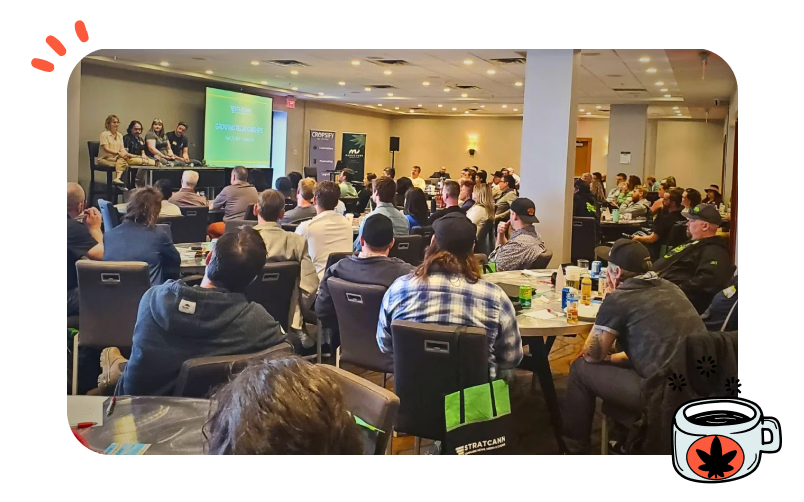
Sustained compliance with provincial regulations in Alberta demands continuous investment in staff training and operational oversight, representing a significant ongoing commitment for independent dispensaries.
Success Strategies and Community Integration
Despite numerous challenges, many independent dispensaries in Alberta have not only survived but achieved notable success. A critical factor in their triumph has been cultivating strong community ties and offering more personalized shopping experiences than corporate counterparts. These businesses often possess granular understanding of local consumer preferences, allowing them to curate product selections that genuinely resonate with specific clientele. This might involve focusing on products from local Alberta producers, emphasizing specific consumption formats like tinctures or topicals, or pioneering educational initiatives that demystify cannabis for new users.
Staff expertise consistently emerges as another success factor. Independent dispensaries typically invest heavily in product knowledge training for employees, transforming them into knowledgeable educators rather than mere salespeople. This allows staff to provide detailed information and guidance to customers, fostering trust and building customer loyalty. This consultative approach contrasts with retailers where focus might be more transactional and staff knowledge less profound. Many independent stores have woven themselves into local business communities, participating enthusiastically in local events, sponsoring community initiatives, and collaborating with other small businesses, solidifying their standing as valued neighbourhood members.
Some dispensaries have found success through specialized niches. “Cannabis & Wellness,” a fictional Edmonton store, focused exclusively on medical cannabis patients transitioning to recreational products. They hired staff with healthcare backgrounds and created a clinical, pharmacy-like environment. This approach attracted customers seeking professional guidance and medical-grade products, allowing them to charge premium prices while building fierce customer loyalty.
Others have succeeded through innovative retail concepts. “The Green Market” in Red Deer transformed their space into a cannabis lifestyle destination, featuring not just products but accessories, books, and even hosting cooking classes with cannabis-infused foods. This experiential approach created a destination rather than just a dispensary, encouraging longer visits and higher spending per customer.
Technology adoption has also differentiated successful independents. Many have invested in sophisticated point-of-sale systems that track customer preferences, enabling personalized recommendations and targeted marketing. Some have developed mobile apps offering loyalty programs, online ordering, and educational content, competing directly with larger chains’ technological advantages.
The journey of independent dispensaries in Alberta serves as a compelling example of building a new regulated industry from scratch. Their experiences underscore the critical role of thoughtful policy, innovative business strategies, and genuine community engagement in fostering a sustainable, diverse retail landscape. As the market continues maturing and regulations potentially evolve, the resilience, determination, and adaptability demonstrated by these pioneering entrepreneurs will remain central to the ongoing success and responsible development of Canada’s legal cannabis sector.
Looking forward, successful independent dispensaries are those that have learned to view regulatory compliance not as a burden but as a competitive advantage. Their intimate knowledge of regulations, combined with agile operations and community connections, positions them well for continued growth. While challenges remain significant, the survivors have proven that with proper strategy, sufficient capital, and unwavering commitment to customer service, independent cannabis retailers can thrive in Alberta’s competitive marketplace.