International Travel with Medical Cannabis: A Guide for Canadian Patients
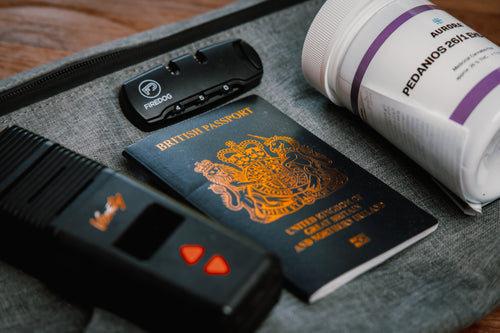
For Canadian patients relying on medical cannabis, international travel presents a complex web of legal and practical challenges. While recreational cannabis is federally legal in Canada under the Cannabis Act of 2018, and medical cannabis access operates through a robust regulatory framework, these domestic provisions vanish at Canadian borders. Individuals traveling with medical cannabis must navigate conflicting international laws, which vary dramatically from outright prohibition to various degrees of legal recognition, often with stringent conditions. This examination explores the essential steps and knowledge required for Canadian medical cannabis patients to approach international travel responsibly and legally.
Understanding Canadian Export Laws
The first critical point, and perhaps the most frequently misunderstood, for any Canadian patient considering international travel with medical cannabis is Canada’s own legal stance on cannabis export. Despite the federal legality of cannabis within Canada, the export of cannabis, including medical cannabis, remains strictly prohibited under the Cannabis Act. This means that even if a destination country explicitly permits the import of medical cannabis, an already rare scenario, Canadian law prohibits its removal from the country. This prohibition applies universally, regardless of the patient’s medical authorization, the perceived legitimacy of their need, or the legality of cannabis at the destination.
Patients authorized to possess medical cannabis in Canada are permitted to possess it within Canadian territory according to their authorized limits, often documented by a medical document issued by a healthcare practitioner. This authorization is a domestic license, valid only within Canada’s borders. The moment a patient attempts to cross any international border with cannabis, even in trace amounts or in forms like oils or edibles, it constitutes illegal exportation under Canadian law and, almost invariably, illegal importation into the destination country. This legal barrier is fundamental and often overlooked, carrying significant penalties under both Canadian and international statutes. For example, a Canadian citizen caught attempting to leave the country with cannabis, even if possessing a valid medical document, could face charges under the Cannabis Act, potentially leading to fines, criminal records, and even imprisonment, depending on the quantity and circumstances. The Canadian Border Services Agency (CBSA) enforces these export prohibitions vigilantly, and ignorance of the law is not considered a valid defense.
Canada’s progressive stance on domestic cannabis use does not translate into international flexibility. The federal government has consistently maintained this stance to comply with international treaties, such as the Single Convention on Narcotic Drugs of 1961, which largely prohibit the international movement of controlled substances like cannabis. Therefore, while a patient might feel ethically justified in carrying their prescribed medication, the legal reality is stark: departing Canada with medical cannabis is a federal offense, regardless of where they are going or why.

“The export of cannabis from Canada, including medical cannabis, is illegal under Canadian federal law, regardless of the destination country’s regulations or the patient’s medical authorization.”
Destination Country Laws
Beyond Canadian export restrictions, the laws of the destination country are paramount and represent an entirely separate, equally daunting legal hurdle. Many nations maintain strict prohibitions on cannabis, classifying it as a controlled substance with severe penalties for possession, trafficking, and even mere presence, including lengthy imprisonment, substantial fines, and deportation. Countries like Japan, Singapore, and the United Arab Emirates, for instance, have zero-tolerance policies with extremely harsh penalties, where even small amounts can lead to years in prison. In these jurisdictions, a Canadian medical authorization holds no legal weight and will not mitigate the consequences.
Even in countries where cannabis is legal for medical or recreational use, a growing but still limited number of nations, specific import permits, certifications, and pre-approvals are almost universally required for foreign nationals to bring medical cannabis across their borders. For example, some European countries like Germany or the Netherlands have established medical cannabis programs, but they typically require an official import license obtained well in advance from their national health authorities, along with a certified prescription from a local doctor. This process is often complex, time-consuming, and usually not designed for short-term tourist visits. Australia, which has a legal medical cannabis framework, also has stringent import regulations that necessitate federal approval and often a local doctor’s endorsement, making it impractical for most international travelers.
Researching the specific laws of the destination country is an absolute necessity, and this research must be thorough and undertaken well in advance of any travel plans. This involves consulting official government websites, embassies, or consulates of the target country. Relying on anecdotal evidence, travel blogs, or general news about legalization is highly risky and insufficient. Look for explicit information regarding the importation of controlled substances by foreign nationals. General legalization in a country does not extend to unrestricted importation by travelers. Often, countries with legal medical cannabis frameworks have highly controlled import processes, which typically require applications months in advance, validation by local medical practitioners, and specific product forms or dosages that may not align with Canadian medical authorizations. These processes are rarely streamlined for international visitors and frequently involve bureaucratic hurdles that make them unfeasible for casual travel.
Air Travel and Border Crossings
Travel by air presents particular challenges due to international aviation regulations and the rigorous nature of customs checks at international borders. While Canadian domestic flights may permit authorized medical cannabis, provided it adheres to airline policies and security screening rules, international flights operate under a fundamentally different legal regime. Transporting cannabis across international borders, whether by air, land, or sea, subjects individuals to the jurisdiction of border control agencies in both the departure and arrival countries, which strictly enforce national and international drug laws.
Even if a patient intends to travel to a country where medical cannabis is legal, the act of crossing the border with it without explicit, pre-approved authorization from both the departure and arrival countries is illegal. This is a dual-layered prohibition: Canadian authorities will prevent its export, and foreign authorities will prevent its import. For instance, a Canadian traveler attempting to fly to a US state where cannabis is legal, such as California, would still face federal charges if caught by US Customs and Border Protection (CBP) because cannabis remains federally illegal in the United States, regardless of state laws. Similarly, Canadian Border Services Agency (CBSA) officers at Canadian airports are empowered to search luggage and individuals for prohibited exports, including cannabis. Discovery of cannabis, regardless of medical documentation or intent, can lead to immediate legal repercussions, including seizure of the product, significant fines, criminal charges, and potential arrest. These consequences are not limited to the destination country but can also occur upon attempted departure from Canada, as Canadian border services are actively enforcing federal export prohibitions.
Security screenings at airports, including X-ray machines and canine units, are designed to detect prohibited items. Passengers should be aware that even if a substance is not immediately identified, subsequent secondary screenings or random checks can reveal it. The risks involved are substantial: a criminal record in Canada, a permanent ban from entering certain countries (including the United States), significant legal fees, and the immense stress and disruption of being detained or arrested abroad. The legal complexities and potential penalties underscore why international air travel with medical cannabis is almost universally advised against by legal experts and government advisories.
“Even for countries with legal medical cannabis, specific import permits, certifications, and pre-approvals are almost universally required for foreign nationals to bring cannabis across their borders.”
Alternatives and Considerations for Patients
Given the significant legal hurdles and severe potential consequences, Canadian medical cannabis patients are strongly advised against attempting to travel internationally with their medication. The risks of legal penalties, including imprisonment, substantial fines, permanent travel bans, and criminal records, far outweigh any perceived convenience or therapeutic benefit of bringing their own supply. Instead, patients must proactively explore and implement responsible alternatives for managing their medical conditions while abroad.
One primary and highly recommended alternative is to consult with a Canadian healthcare provider well in advance of travel about temporary alternative medications or treatment protocols that are legally permitted in the destination country. This proactive approach ensures continuity of care without violating international laws. This might involve switching to a non-cannabis pharmaceutical, adjusting dosages of other prescribed medications, or exploring alternative therapies that do not involve controlled substances. Your doctor can provide medical letters outlining your condition and current treatments, which can be useful for seeking medical care abroad, but these letters must explicitly state that you are NOT traveling with cannabis.
Another option, where feasible and practical, is to research whether medical cannabis can be legally accessed and obtained within the destination country itself, adhering strictly to local laws and medical consultation requirements. This would necessitate fulfilling all local regulatory steps, which often involve obtaining a local prescription from a qualified physician in that country and purchasing from licensed dispensaries. This process can be time-consuming, expensive, and may not be viable for short-term travel. It often requires multiple appointments, translation of medical documents, and navigating a foreign healthcare system. Furthermore, the available forms, strains, and dosages of cannabis may differ significantly from what a patient is accustomed to in Canada, and the quality and safety standards may also vary. Before pursuing this route, extensive research into the destination country’s specific medical cannabis program, including eligibility criteria for foreign nationals, typical wait times, and costs, is essential.
Patients should also consider timing their travel around their medication schedule. Some patients may find that they can manage short trips without cannabis by adjusting their treatment regimen beforehand or scheduling travel during periods of better symptom management. Others might explore non-cannabis alternatives that are internationally acceptable, such as CBD products derived from hemp (though these too require careful research, as CBD laws vary significantly between countries).
For longer trips or essential travel, establishing contact with medical professionals in the destination country before departure can be invaluable. This allows patients to understand local treatment options, potentially secure appointments, and ensure they have medical support available if needed. Many countries have medical tourism services that can facilitate these connections, though patients must be transparent about their cannabis use history and current needs.
While Canada has progressive laws regarding medical and recreational cannabis, these provisions do not extend beyond its borders. For Canadian medical cannabis patients, international travel requires a meticulous, cautious, and highly informed approach, with a strong emphasis on adhering to the laws of both Canada and the destination country. The federal prohibition on cannabis export from Canada, combined with the diverse and often restrictive laws of other nations, means that traveling internationally with medical cannabis is fraught with legal peril and potentially life-altering consequences. The most prudent and responsible course of action for patients is to refrain from carrying cannabis across international borders and instead seek legal and medically appropriate alternatives for managing their health needs while abroad, ensuring both their well-being and their legal safety.