Product Safety and Labelling: Ensuring Consumer Trust in Canadian Legal Cannabis
The legalization of recreational cannabis in Canada in 2018 marked a significant shift in public health and consumer policy, moving a previously unregulated market into a meticulously designed, regulated framework aimed at prioritizing safety and public health. This monumental transition, enshrined in the federal Cannabis Act, has necessitated the development of robust and adaptable regulatory mechanisms, particularly concerning product safety, quality control, and transparent labelling. For consumers, the ability to trust the products they purchase is not merely a preference but a paramount expectation, and this trust is fundamentally built upon the transparency, accuracy, and reliability of information provided by licensed producers and rigorously verified by regulatory bodies. The Canadian approach, often lauded internationally, aims to balance consumer access with comprehensive safeguards, creating an environment where informed choices can be made and public health risks are minimized.
Health Canada’s Federal Framework
Canada’s Cannabis Act establishes a comprehensive federal framework that controls every facet of the cannabis supply chain, from initial production and processing to distribution, sale, and possession. Health Canada serves as the primary federal regulator, setting stringent standards for all licensed cultivators and processors. These standards cover an extraordinarily wide range of aspects, from precise environmental conditions within cultivation facilities to intricate details of processing methods, all designed to ensure that products consistently meet specific quality, potency, and safety benchmarks before they reach the consumer market.
All cannabis products must be produced exclusively in facilities that are licensed and regularly inspected by Health Canada. This rigorous licensing process includes exhaustive checks on security protocols designed to prevent diversion, adherence to Good Production Practices (GPP) that mirror pharmaceutical manufacturing standards, and robust quality assurance protocols covering every stage of production. The goal is to minimize contamination risks, ensure absolute accuracy of product composition and cannabinoid profiles, and maintain consistency across all legal cannabis offerings, thereby building consumer confidence in every purchase.
Under GPP, licensed cultivators must maintain detailed records of every plant from seed to sale, including nutrient inputs, pest management strategies, and harvesting dates. Processing facilities are required to have controlled environments to prevent microbial growth and cross-contamination. These granular controls ensure that a product purchased in Vancouver is held to the same safety and quality standards as one bought in Halifax, fostering a truly national standard of excellence and safety.
Provincial Retail Frameworks
While the federal government governs the production and processing of cannabis, the retail sale of recreational cannabis falls under provincial and territorial jurisdiction. This division of powers has led to a diverse retail landscape across Canada, with each province and territory establishing its own unique set of rules and operational models for how cannabis is sold to consumers. Some provinces, such as Ontario and British Columbia, operate a hybrid model featuring both government-run retail outlets and privately-owned, provincially licensed retailers. This allows for a blend of public oversight and private sector innovation. Other provinces, such as Quebec, have opted for a more centralized approach, maintaining a government monopoly on retail sales through entities like the Société québécoise du cannabis (SQDC), aiming for greater control over pricing and access.
Despite these variations in retail models, a fundamental principle underpins all provincial and territorial frameworks: they ensure that only products explicitly authorized by Health Canada are sold to the public. Furthermore, these frameworks uniformly implement strict age restrictions, typically setting the legal age at 19 years old (with Alberta and Quebec being notable exceptions at 18), and regulate the hours of operation and precise locations where cannabis stores can be established. This layered regulatory approach serves multiple objectives: it aims to control access to cannabis, prevent its diversion to the illicit market, and ensure that consumers interact with legitimate, regulated vendors who adhere to all legal requirements. This multi-tiered system ensures that while the retail experience may differ from province to province, the foundational commitment to safety and legality remains constant.
“The robust federal oversight of cannabis production, coupled with varied but equally stringent provincial retail regulations, forms a critical two-tiered system designed to protect Canadian consumers.”
Mandatory Labelling Requirements
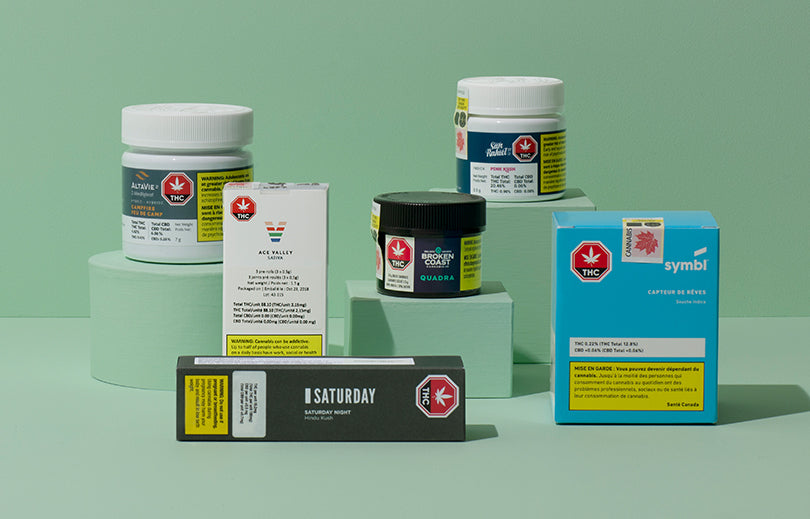
Central to ensuring consumer trust and empowering informed decision-making are the strict and comprehensive labelling requirements mandated by the Cannabis Act and its accompanying regulations. Every legal cannabis product sold in Canada must feature specific information prominently displayed on its packaging, designed to be clear, concise, easily understandable, and immediately accessible. This critical information includes the product’s official brand name, the legal name of the licensed producer responsible for its creation, and the specific cannabis class it belongs to (e.g., dried flower, edibles, extracts, topicals). This detail helps consumers quickly categorize and understand the product’s intended use and form.
Labels must also prominently display the total amount of both THC (tetrahydrocannabinol) and CBD (cannabidiol), presented in two critical ways: in milligrams per unit (e.g., per gram of dried flower, per edible piece) and as a percentage of the product’s total weight or volume. This dual presentation allows consumers to accurately understand the potential psychoactive effects and the overall cannabinoid content, enabling them to dose responsibly. For cannabis edibles, an additional safety measure is the strict limit of 10 mg of total THC per container, and this precise amount must be clearly indicated on the label, preventing accidental overconsumption. Furthermore, all labels are required to feature a standardized cannabis symbol, an easily recognizable warning sign, a prominent health warning message (which rotates to cover various risks), and a clear date of packaging, ensuring freshness and accountability.
Beyond these core requirements, labels often include other helpful information, such as the strain name for dried flower products, a list of ingredients for edibles, and instructions for safe storage and use. This holistic approach to labelling transforms packaging from a mere container into a vital educational tool, allowing consumers to compare products, understand their potential effects, and make purchasing decisions that align with their personal preferences and tolerance levels. The clarity and consistency of these labels are a cornerstone of Canada’s consumer protection strategy in the cannabis market.
Product Safety Testing and Quality Assurance
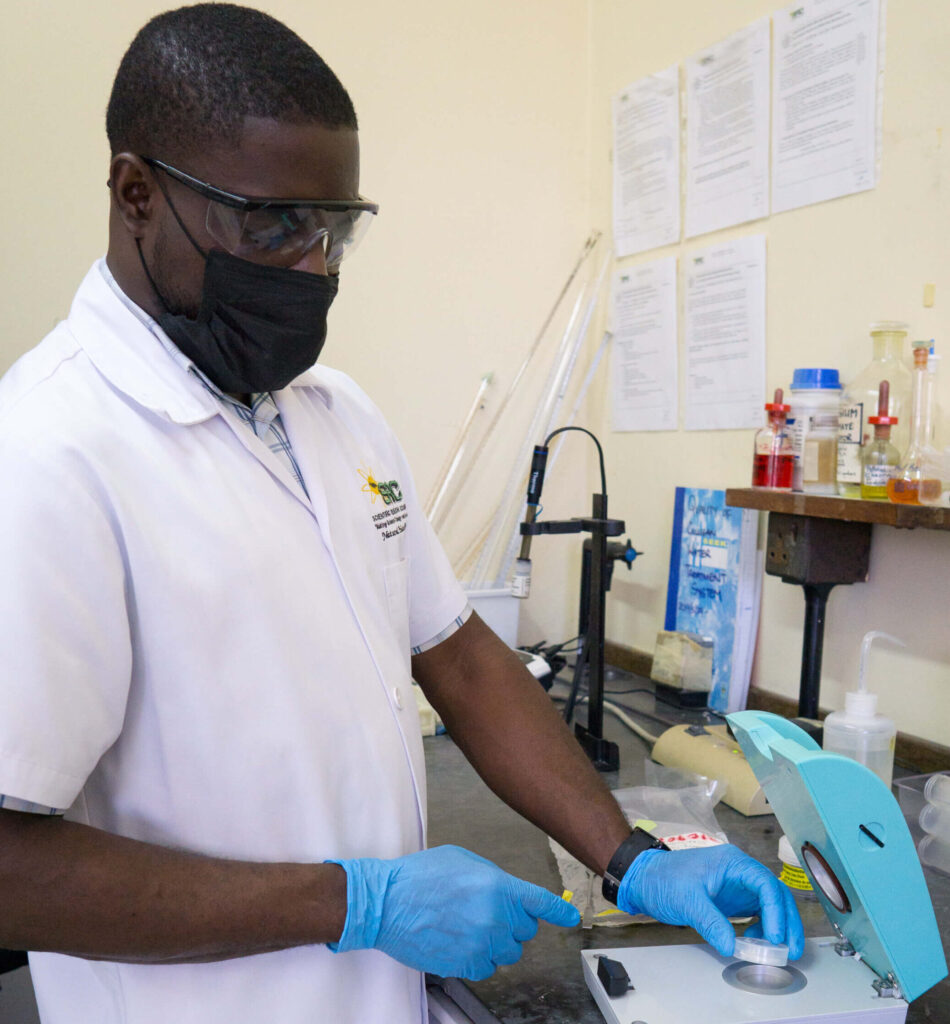
Beyond transparent labelling, product safety in Canada’s legal cannabis market is rigorously enforced through a comprehensive and mandatory regime of laboratory testing. Licensed producers are legally required to test their cannabis products for a wide array of potential contaminants before these products can be released for sale to the public. These essential tests include screening for pesticides, ensuring no harmful agricultural chemicals are present; heavy metals, which can be absorbed from soil or water; microbial contaminants, such as potentially dangerous mold and bacteria; and residual solvents, particularly crucial for cannabis extracts and concentrates where extraction processes might leave trace chemicals. Each of these tests is designed to catch and prevent unsafe products from reaching consumers, upholding a high standard of public health.
These testing protocols represent a fundamental and non-negotiable component of Health Canada’s licensing and ongoing oversight process for every cannabis product. Producers are mandated to use accredited laboratories for all these critical analyses. Furthermore, the results of these tests must consistently meet the strict limits set by the regulations, ensuring a wide margin of safety. This comprehensive and scientifically-backed testing regime is a cornerstone of the Canadian regulatory model, providing robust, science-based assurance that legal cannabis products are safe for consumption. This commitment to scientific verification builds and sustains consumer confidence in the legal market.
“Accurate and transparent labelling, backed by mandatory third-party laboratory testing, empowers consumers with the critical information needed to make informed choices about cannabis products.”
Preventing Misinformation and Promoting Responsible Use
The Canadian regulatory framework extends its protective reach beyond product specifications to actively include comprehensive provisions aimed at preventing misinformation and promoting responsible cannabis use across the population. Strict restrictions are placed on all promotional activities, explicitly prohibiting any marketing that could appeal to youth, make unproven health claims, or present cannabis in any way that suggests it is harmless, glamorous, or a symbol of social status. This includes severe limitations on branding aesthetics, packaging designs, and the specific content of advertising messages, all designed to present cannabis factually and responsibly.
Health Canada actively develops and disseminates extensive public health information campaigns. These initiatives are designed to educate Canadians comprehensively about the potential risks associated with cannabis use, covering crucial topics such as impaired driving, the potential mental health impacts (especially for developing brains), and the risks associated with overconsumption. This proactive and evidence-based approach to public education, combined with the stringent product regulations and marketing restrictions, aims to foster an environment where consumers can access cannabis safely and responsibly. The goal is to ensure that their decisions are supported by accurate, evidence-based information rather than being swayed by misleading or irresponsible marketing, thereby shaping a healthier and more informed cannabis culture in Canada.

The Canadian model for legal cannabis is a complex but meticulously constructed system, built upon the foundational pillars of consumer safety, informed choice, and public health. From the rigorous federal licensing of producers and detailed inspections, to the nuanced provincial regulation of retail operations, and the mandatory, comprehensive labelling and testing of every product, every step in this elaborate process is designed to build and maintain consumer trust. While the legal cannabis market in Canada continues its evolution and adaptation, the foundational commitment to rigorous standards and transparent information remains absolutely critical for the long-term success, integrity, and public acceptance of Canada’s legal cannabis industry. This comprehensive framework ensures that consumers can confidently and responsibly navigate their purchasing decisions within a thoroughly regulated and accountable environment, setting a global benchmark for cannabis governance.