Future of Edibles and Concentrates: Anticipated Regulatory Shifts in Health Canada Policy
The Canadian cannabis market, while relatively young, continues to evolve, with edibles and concentrates representing dynamic and growing segments. As the industry matures and research into cannabis and its various consumption methods expands, Health Canada faces the ongoing challenge of balancing public health protection with market innovation and consumer demand. Anticipating future shifts in regulatory policy for these product categories requires a nuanced understanding of current frameworks, emerging scientific evidence, and the experiences of both producers and consumers under the existing Cannabis Act. This examination explores the intricate dance between regulation and innovation, investigating the pressures and possibilities that could reshape the terrain for Canadian cannabis consumers and businesses alike.
Current Regulatory Framework for Edibles and Concentrates
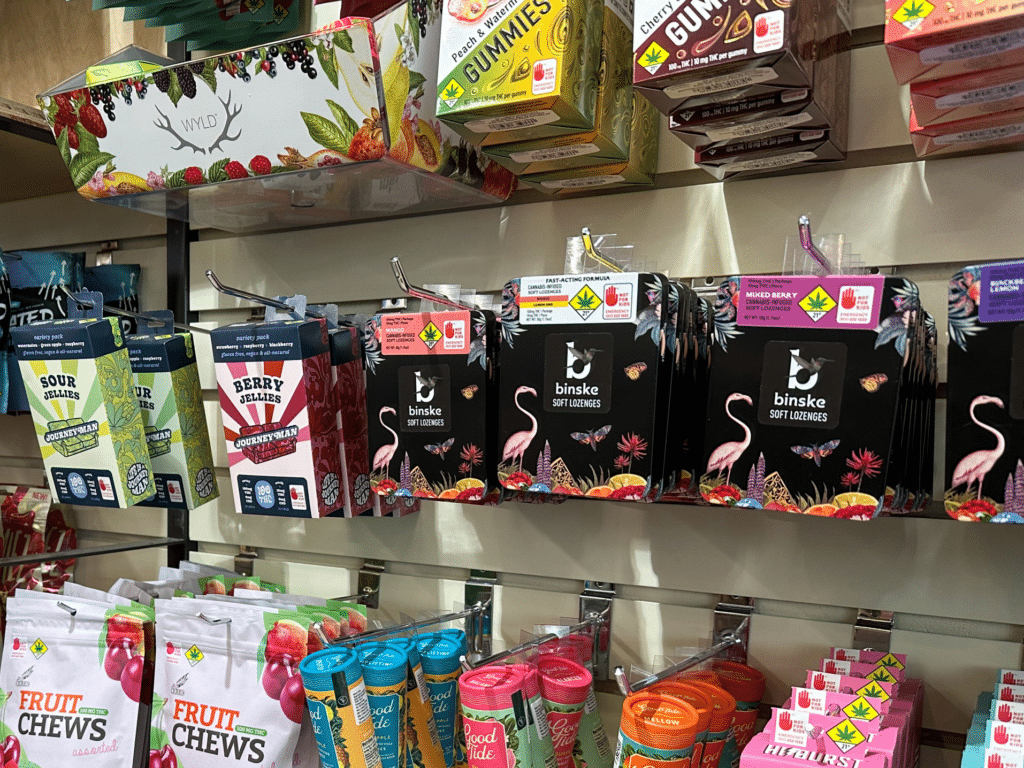
Under the Cannabis Act, edibles and concentrates fall into specific regulatory categories designed to mitigate potential public health risks, reflecting an initial cautious approach to a nascent legal market. Edibles face strict limits on tetrahydrocannabinol (THC) content, currently capped at 10 mg per discrete unit and per package. This means a package of ten gummies, each containing 1 mg of THC, meets the limit, but a single brownie containing 15 mg of THC would exceed it. The rationale behind this low limit was primarily to prevent accidental overconsumption, particularly by inexperienced users, and to allow consumers to gradually gauge their tolerance without inadvertently ingesting a high dose. Packaging requirements are equally stringent, designed to be child-resistant and opaque, effectively shielding the product from curious young eyes. Plain labelling is mandated, devoid of any imagery or branding that might appeal to minors or suggest a recreational product, focusing instead on essential information like THC/CBD content, ingredients, and health warnings. Ingredients themselves are also tightly regulated, prohibiting those that might increase the appeal of the product to children, such as brightly coloured sprinkles or cartoon shapes, or pose a food safety risk, ensuring that cannabis edibles adhere to the same rigorous standards as conventional food products.
Concentrates, encompassing a broader spectrum of products like vapes, extracts (oils, shatter, wax), and topicals, operate under a different set of considerations, largely due to their often-higher potency and varied consumption methods. Vape products face restrictions on flavouring agents, with Health Canada having signaled a potential for further restrictions, a move mirroring global concerns about the appeal of flavoured vapes to youth. The concentration of THC in extracts can be significantly higher than in edibles, with some products reaching 70-90% THC. This necessitates specific packaging, labelling, and warning requirements aimed at clearly informing consumers about the extreme potency and potential effects of these products, often including warnings about delayed onset of effects for ingested oils or the rapid onset for inhaled products. Topicals, while still considered concentrates due to their extraction process, are regulated to ensure they are not absorbed systemically in a way that would lead to psychoactive effects. Their claims are strictly limited to non-medical applications, such as moisturizing or soothing, and they cannot claim to treat or cure any medical condition, distinguishing them from medical cannabis products.
These regulations, while robust, reflect an initial cautious approach, prioritizing public safety in a nascent legal market. However, the industry and consumer base have gained considerable experience since the introduction of these product categories in late 2019. This accumulated experience, coupled with ongoing scientific discovery, is prompting ongoing discussions about the efficacy, appropriateness, and potential evolution of certain restrictions. The current framework, while foundational, is increasingly seen as a starting point rather than a final destination.
Drivers of Potential Policy Revision
Several interconnected factors are likely to drive future revisions to Health Canada’s policies concerning edibles and concentrates, creating a dynamic environment where adaptation is inevitable. Scientific research continues to deepen our understanding of cannabinoids beyond just THC and CBD, exploring the roles of minor cannabinoids like CBG, CBN, and THCV, as well as terpenes and their intricate interactions, a phenomenon commonly referred to as the ‘entourage effect.’ As more robust data becomes available on the varying therapeutic and psychoactive effects of different cannabis profiles and consumption methods, regulations may adapt to reflect this enhanced knowledge. This could potentially allow for more nuanced product development, moving beyond simple THC/CBD ratios to incorporate specific terpene profiles, and provide consumers with more detailed, science-backed information about the potential effects of different products. For instance, research indicating specific terpene profiles can induce relaxation might lead to regulatory allowance for products highlighting these natural compounds, provided substantiation.
Consumer behavior and market dynamics also exert significant influence. There is a consistent and growing demand for a wider range of products, varying potencies, and alternative consumption formats that cater to diverse preferences and experience levels. Consumers are increasingly sophisticated, seeking out products that align with specific desired effects, from sleep aid to creative stimulation. The illicit market, often characterized by higher potency products, a broader array of unregulated flavourings, and lower prices, also serves as a crucial point of comparison. Health Canada aims to draw consumers into the regulated market through competitive and appealing product offerings that are not only safe and transparent but also desirable enough to compete with unregulated alternatives. If regulated products are perceived as too restrictive, too expensive, or simply not meeting consumer needs, the illicit market will continue to thrive, undermining the very public health goals of legalization. Furthermore, feedback from licensed producers regarding the practical challenges and economic impacts of current regulations, such as the costs associated with excessive packaging for low-THC edibles or the limitations on product innovation, also informs policy considerations, aiming for a balance that supports both public health and a viable, competitive industry.
“The ongoing evolution of cannabis science, particularly around cannabinoid and terpene interactions, presents a clear impetus for Health Canada to revisit and refine existing regulatory parameters for edibles and concentrates.”
Potential Areas for Regulatory Adjustment in Edibles
For edibles, one of the most frequently discussed areas for potential revision is the 10 mg THC limit per package. While originally intended as a protective measure to prevent accidental overconsumption, particularly by inexperienced users who might not understand the delayed onset and intensity of edible effects, critics argue this limit has become overly restrictive. For experienced cannabis consumers seeking a more significant psychoactive effect, 10 mg of THC may be insufficient, leading them to purchase multiple packages to achieve their desired dose. This practice not only increases costs for consumers but also generates unnecessary packaging waste, running counter to environmental sustainability goals. Future policy could explore options such as allowing higher THC limits for certain product types, perhaps for single-serve, clearly labelled “high potency” products, or for packages explicitly intended for experienced users, possibly requiring a more stringent age verification process or specialized, even more robustly child-resistant packaging. Such changes would need to be coupled with more robust educational materials, clearly outlining the risks of higher doses and providing guidance on responsible consumption.
Beyond potency, the range of permissible ingredients and product formats might also see significant adjustments. As food science and cannabis product development intertwine, there may be opportunities to allow for a broader array of innovative edible formulations. This could include more complex culinary creations, beverages with different cannabinoid delivery systems, or even functional edibles that combine cannabis with other beneficial ingredients, provided they meet stringent food safety standards and do not appeal to children. The current regulations are quite prescriptive, often limiting edibles to relatively simple forms like gummies or chocolates. As the market matures, there’s a desire for more sophisticated products that align with broader consumer trends in the food and beverage industry. Health Canada’s careful monitoring of accidental ingestions, particularly by children, and overall public health outcomes will undoubtedly guide any such changes, with an unwavering emphasis on data-driven decision-making. Any expansion of product types would likely require a rigorous pre-market authorization process to ensure safety and prevent unintended consequences.
Potential Areas for Regulatory Adjustment in Concentrates
For concentrates, particularly vape products, the focus of potential policy shifts often revolves around flavouring agents and their appeal to various demographics. Health Canada has already indicated a cautious approach to flavourings in vape products, citing well-documented concerns about their potential to attract youth and normalize vaping. While current regulations allow for some flavourings, there’s a strong public health push to restrict or even ban certain profiles, particularly those mimicking candies, fruits, or desserts, which are demonstrably appealing to younger individuals. Future regulations could see further restrictions or even outright bans on specific flavour profiles, aligning with public health objectives to deter youth initiation into cannabis use via vaping. This could lead to a more limited range of permissible flavours, focusing on more natural or traditional cannabis-derived profiles, or even a move towards unflavoured products.
Furthermore, as extraction technologies advance, the potency and purity of concentrates continue to evolve at a rapid pace. Modern extraction methods can yield extremely pure and potent products, far exceeding the THC levels found in dried flower. Health Canada may consider refining potency limits for concentrates or introducing new categories of concentrates with specific regulatory requirements tailored to their unique characteristics and consumption risks. For instance, ultra-high potency products might require even more stringent packaging and warning labels, or perhaps be restricted to specialized retail environments. The safety of novel extraction solvents and processing aids will also remain a key area of scrutiny. As new methods emerge, regulators must ensure that all products brought to market are free from harmful residues, contaminants, and by-products. This ongoing vigilance is crucial for consumer safety, particularly given the direct inhalation route for many concentrate products. Innovation in this sector will need to be carefully balanced with robust safety protocols to prevent health risks associated with impurities or unsafe manufacturing practices.
“Balancing robust public health protections with the need for a competitive and innovative legal cannabis market is a core tension driving future regulatory discussions, particularly concerning the potency and accessibility of concentrates.”
The Role of Provincial Variation and Public Health Goals
While the Cannabis Act provides the overarching federal framework, provincial and territorial governments maintain significant authority over the retail and distribution of cannabis. This decentralization can lead to considerable variations in how federal regulations are implemented and perceived at the consumer level. For example, while federal regulations set a maximum THC limit for edibles, a province might impose additional restrictions on the types of edibles that can be sold, or limit the number of cannabis stores, thereby impacting accessibility. Any federal policy changes for edibles and concentrates would therefore need to carefully consider these provincial differences and the potential impact on public health goals across the country. A federal change allowing higher potency edibles, for instance, might be embraced by some provinces but met with resistance or additional provincial restrictions in others, leading to a fragmented national market. Dialogue and collaboration between federal and provincial authorities will be crucial to ensure a cohesive and effective regulatory framework.
Health Canada’s approach to regulatory shifts will likely remain firmly grounded in its core mandate: to protect public health and safety, to continue reducing the illicit market by providing a viable legal alternative, and to prevent youth access to cannabis. These three pillars underpin virtually every regulatory decision. Future policies for edibles and concentrates will be informed by a continuous feedback loop of ongoing research, meticulous market surveillance (tracking consumption patterns, adverse reactions, and illicit market activity), and extensive public consultations. This iterative, evidence-based approach aims to create a regulatory framework that is responsive to new scientific discoveries and market realities, adaptable to evolving consumer preferences, and robust enough to safeguard public health in the dynamic Canadian cannabis environment. The journey from cautious inception to a mature, balanced regulatory environment for edibles and concentrates is far from over, promising continued evolution in the years ahead.