Micro-Cultivation Licences: Assessing Their Role in Canada’s Craft Cannabis Market
Canada’s federal legalization of recreational cannabis in 2018 marked a seismic shift in drug policy, aiming not only to dismantle the entrenched illicit market but also to safeguard public health and ensure consumer safety. A foundational pillar of this ambitious regulatory framework was the deliberate introduction of various licence types, among them the highly anticipated micro-cultivation licence. These licences were meticulously designed to facilitate the entry of smaller, agile producers into the nascent legal market, envisioned as a pathway for artisanal, craft cannabis operations, drawing clear parallels to the successful emergence of the craft beer industry. Assessing their actual impact requires examining their intricate integration into the broader cannabis supply chain, the formidable operational realities faced by these pioneering licensees, and their tangible contribution to the overarching goals enshrined within the Cannabis Act.
The Regulatory Blueprint for Micro-Cultivation
The micro-cultivation licence, as defined and overseen by Health Canada, permits the cultivation of cannabis within a limited physical footprint, precisely, a maximum canopy size of up to 200 square meters (approximately 2,150 square feet). This stringent size restriction is a deliberate, strategic measure implemented to differentiate micro-cultivators from their much larger counterparts, the standard cultivators, who operate on an industrial scale spanning thousands of square meters. Beyond cultivation itself, these micro-licences often include provisions that empower producers to process and package their own product. This autonomy comes with a non-negotiable caveat: they must adhere to the exact same stringent quality control standards and Good Manufacturing Practices (GMP) mandated for much larger, established facilities.
This integrated ‘seed-to-sale’ approach grants licensees control over their finished product, ensuring consistency and brand integrity from initial planting to final consumer purchase. For example, a micro-cultivator specializing in organic, living soil cultivation can ensure that their unique growing philosophy is maintained throughout the entire production process, directly impacting the final product’s quality and appeal. While the regulatory burden for all cannabis producers in Canada is substantial, it is strategically intended to be more manageable and proportionate for micro-operations compared to the vast compliance requirements placed upon larger-scale producers.
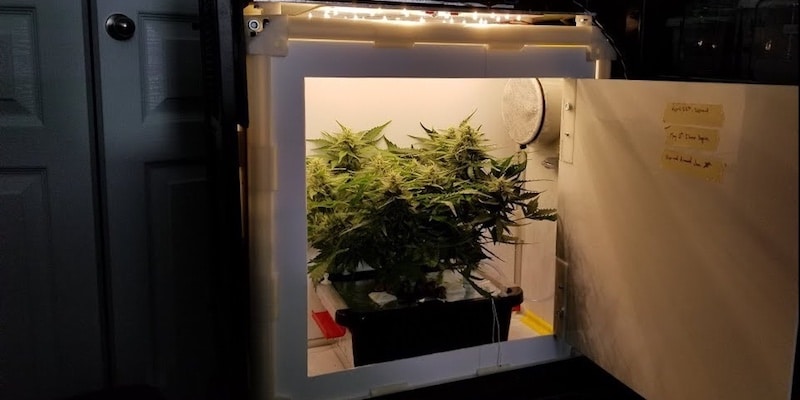
Health Canada’s rigorous licensing process demands detailed site plans, robust security protocols to prevent diversion, and comprehensive quality assurance measures designed to guarantee product safety and consistency. However, the inherently smaller scale of micro-operations can simplify several critical aspects of compliance. For instance, managing environmental controls such as temperature, humidity, and CO2 levels within a 200-square-meter canopy is significantly less complex than in a multi-acre greenhouse. Similarly, inventory management and traceability systems, while still requiring precision, are less daunting when tracking hundreds of plants rather than tens of thousands. This carefully constructed framework was explicitly designed to foster innovation, encourage experimentation with novel genetics and growing techniques, and promote rich diversity in product offerings. The objective was to empower producers to focus intently on niche markets and cultivate premium quality, highly differentiated products, rather than simply chasing volume and economies of scale.
Integration into the Supply Chain
The ultimate success and long-term viability of micro-cultivators in Canada are profoundly contingent upon their ability to effectively access and penetrate provincial and territorial retail markets. This presents one of the most significant hurdles. Unlike larger, established producers who frequently possess the resources and market leverage to secure direct supply agreements with provincial distributors, micro-cultivators often find themselves grappling with the intricate complexities of provincial distribution boards and the often-daunting requirements of private retail chains. Each of Canada’s ten provinces and three territories maintains its own distinct regulatory framework for cannabis distribution and retail. This creates a highly fragmented market landscape, where what works in Ontario might be entirely unfeasible in British Columbia or Quebec.

For instance, provinces like Ontario and Quebec operate government-run distribution and retail monopolies, meaning micro-cultivators must sell their product directly to a provincial agency, which then handles all distribution to licensed retailers. In contrast, provinces like Alberta and Saskatchewan have embraced predominantly private retail models, where micro-cultivators might need to establish relationships with numerous individual retail stores or private distributors. British Columbia employs a hybrid approach, featuring both government-run and private retailers. This considerable variance in market access mechanisms creates substantial hurdles for micro-producers who aspire to establish even a regional presence, let alone national distribution.
The logistical challenges alone are immense: warehousing requirements, transportation networks, and targeted marketing efforts become substantial considerations, often stretching the limited resources of a small operation. Consequently, many micro-cultivators find themselves compelled to forge strategic partnerships with larger licensed processors or distributors. These larger entities possess the infrastructure and existing relationships necessary to aggregate products from multiple micro-cultivators, effectively creating a larger volume offering that can meet the purchasing demands of provincial buyers and streamline market access for the smaller players. For example, a micro-cultivator in rural BC might partner with a larger processor in the Fraser Valley who can then distribute their unique strain alongside other craft offerings to stores across the province.
“Micro-cultivation licences represent a critical experiment in Canada’s cannabis policy, balancing strict regulatory oversight with the ambition to foster a diverse and competitive market. Their journey illuminates the intricate dance between regulation and entrepreneurial spirit.”
Economic Viability and Operational Realities
Operating a micro-cultivation facility in Canada is far from a low-cost venture; it involves substantial upfront capital investment and persistent, significant ongoing operational costs. The initial outlay for construction or retrofitting of facilities to meticulously meet Health Canada’s rigorous security, sanitation, and environmental standards can easily run into hundreds of thousands, if not millions, of dollars. This includes specialized HVAC systems, advanced lighting, secure vaults, and sophisticated environmental controls. Beyond this infrastructure, costs rapidly accumulate to include expensive licensing fees, mandatory regular third-party testing of every batch of product for contaminants and potency, recurring compliance audits, and the employment of highly skilled, specialized labor.
The inherent limitation of the 200-square-meter canopy size, while promoting true craft production, simultaneously places a hard cap on potential revenue generation. This fundamental constraint necessitates an unwavering focus on cultivating high-value, highly differentiated products that can command premium prices in the market. A micro-cultivator cannot compete on volume; their survival depends on exceptional quality and unique appeal. For a significant number of micro-cultivators, achieving and maintaining profitability is linked to their ability to successfully command premium prices for their meticulously cultivated products.
This strategic imperative often translates into a dedication to cultivating rare and sought-after unique strains, employing artisanal growing techniques such as organic, no-till, or hydroponic methods, or specializing in particular product formats like solventless extracts or pre-rolls made from whole flower. The Canadian legal cannabis market is intensely competitive, with larger producers benefiting immensely from economies of scale in purchasing, production, and distribution. This fierce competition places immense pressure on micro-operations to distinguish themselves through quality, consistency, and strong, recognizable brand identity. Without robust and reliable market access, which includes effective distribution channels and prominent retail shelf space, coupled with significant consumer recognition and loyalty, the economic viability of these pioneering ventures remains precarious.

Contribution to the Craft Cannabis Market
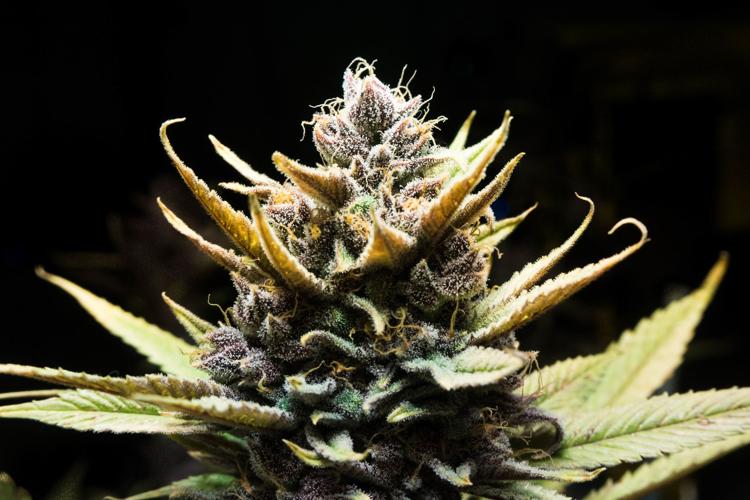
The advent and successful implementation of micro-cultivation licences have played a role in the emergence and growing recognition of a distinct ‘craft’ segment within Canada’s legal cannabis market. There’s a discernible shift in consumer preference; increasingly, discerning consumers are actively seeking out cannabis products characterized by distinct flavor profiles, unique genetic lineages, and transparent cultivation practices. Micro-cultivators, by the very nature of their smaller scale and hands-on approach, are inherently better positioned to cater to these evolving preferences. They can dedicate a level of attention to detail, employ labor-intensive cultivation methods, and foster a direct connection with their plants that larger, more industrialized operations often find exceedingly difficult to replicate.
This involves meticulous hand-trimming, slow curing processes, and specific environmental controls tailored to each genetic. This burgeoning segment of the market provides consumers with a significantly broader and more nuanced array of choices, moving far beyond the more homogeneous, mass-produced options that initially dominated the legal landscape. This fosters not only product innovation but also differentiation, enriching the overall consumer experience. Furthermore, many micro-cultivators consciously embody a strong regional identity, linking their products to specific geographic areas, unique microclimates, or particular growing philosophies.
This cultural and geographical aspect of craft cannabis can powerfully resonate with consumers who are actively seeking authenticity, provenance, and a compelling story behind their purchases. This narrative element contributes significantly to the overall maturity, sophistication, and diversity of the legal cannabis industry in Canada, moving it beyond a purely commodity-driven market towards one that values artisan skill and unique attributes. For example, a micro-cultivator in the Okanagan Valley might highlight their sun-grown, outdoor cannabis, emphasizing the unique terroir of the region, much like a wine producer.
“The journey from illicit market grower to legal micro-cultivator is fraught with regulatory complexity and financial hurdles, yet it offers a unique pathway for innovation and product differentiation, charting a course for a more diverse cannabis future.”
Challenges and Future Prospects
Despite their potential and the significant contributions they have already made, micro-cultivators continue to face ongoing challenges that threaten their long-term sustainability. Access to sufficient capital remains a formidable barrier; traditional financial institutions, wary of the still-evolving legal status and perceived risks associated with cannabis businesses, are often hesitant to extend loans or lines of credit. This forces many micro-cultivators to rely on self-funding, private investors, or less conventional, often more expensive, financing options. The regulatory landscape, while gradually becoming more stable, still presents considerable complexities, particularly concerning the nuances of inter-provincial trade and diversification into new product categories such as edibles, concentrates, and topicals, each with its own specific set of rules.
Moreover, the enduring presence and competition from the persistent illicit market, which operates entirely unburdened by the extensive regulatory overheads, taxes, and testing requirements faced by legal businesses, continues to exert significant downward pressure on prices, making it harder for legal micro-cultivators to achieve profitable margins. Many micro-cultivators spend considerable resources on marketing and brand storytelling to connect directly with consumers who appreciate their ethos and product quality, further straining their limited budgets.
Looking ahead, the role that micro-cultivation licences will play in the continued evolution of Canada’s cannabis market will likely hinge on several critical factors. Foremost among these is sustained and proactive government support for small businesses within the cannabis sector, potentially through grants, tailored financing programs, or reduced regulatory burdens. Equally important is the further streamlining and harmonization of provincial distribution channels, making it easier and more cost-effective for micro-cultivators to reach consumers across different regions. Finally, the industry’s collective ability to effectively educate consumers about the distinct value proposition of craft cannabis, highlighting its quality, unique characteristics, and the passionate stories behind its cultivation, will be paramount.
As the Canadian cannabis market continues its journey towards maturity, fostering a vibrant and diverse ecosystem of producers, including a thriving micro-cultivation sector, is essential for driving ongoing innovation, expanding consumer choice, and ensuring the long-term health, resilience, and dynamism of Canada’s pioneering legal cannabis industry. The success of these small-scale operations will ultimately depend on their ability to adapt to changing market conditions while maintaining the artisanal quality and unique identity that sets them apart from their larger competitors.